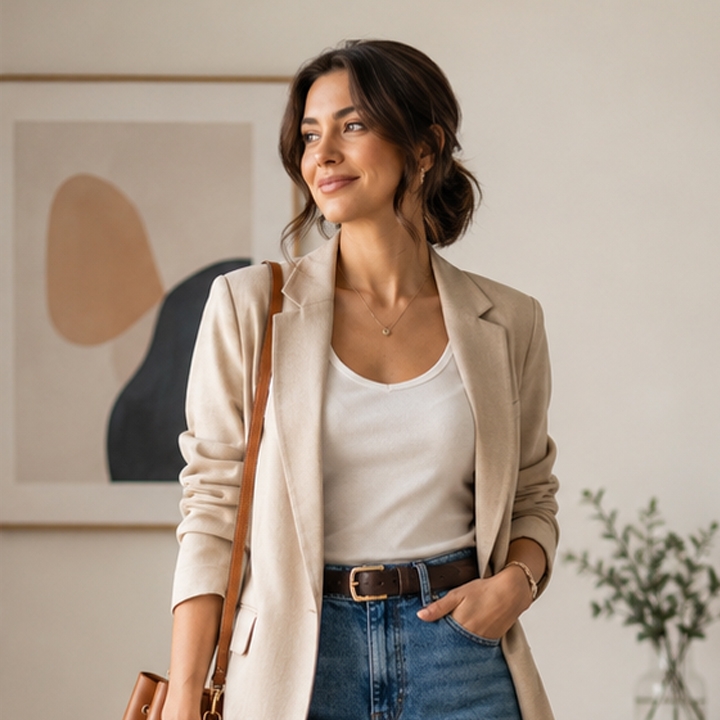
How To Create Balanced Everyday Looks
Creating a balanced everyday outfit is less about following strict fashion rules and more about understanding how different elements work together. Fit, proportion, colour, texture, and layering all influence how complete an outfit feels.
When these details are considered carefully, even simple clothing can look polished and intentional. The goal is not to make every outfit look formal or perfectly styled. Instead, it is to create combinations that feel comfortable, practical, and visually well put together.
Start With One Main Piece
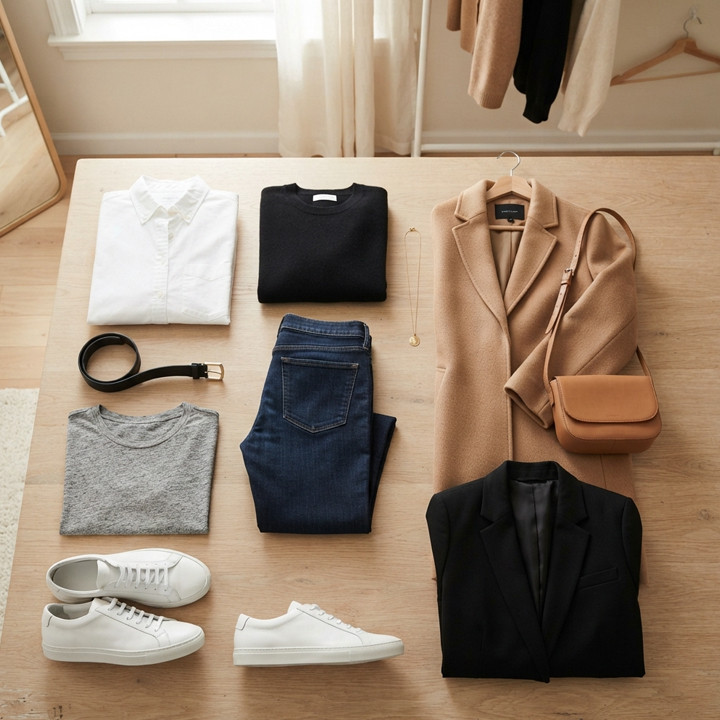
Building an outfit becomes much easier when you begin with one piece and work around it. This could be a favourite shirt, comfortable trousers, denim, a structured jacket, or a relaxed top. Once you choose the main piece, select the rest of the outfit based on its shape, colour, and overall feel. Starting this way prevents the outfit from feeling disconnected. It also helps you make quicker decisions, especially on busy mornings.
Balance Loose And Fitted Shapes
Proportion plays a major role in everyday dressing. Wearing everything oversized can sometimes make an outfit feel heavy, while choosing only fitted pieces may feel too structured for daily wear. A balanced combination often works better.
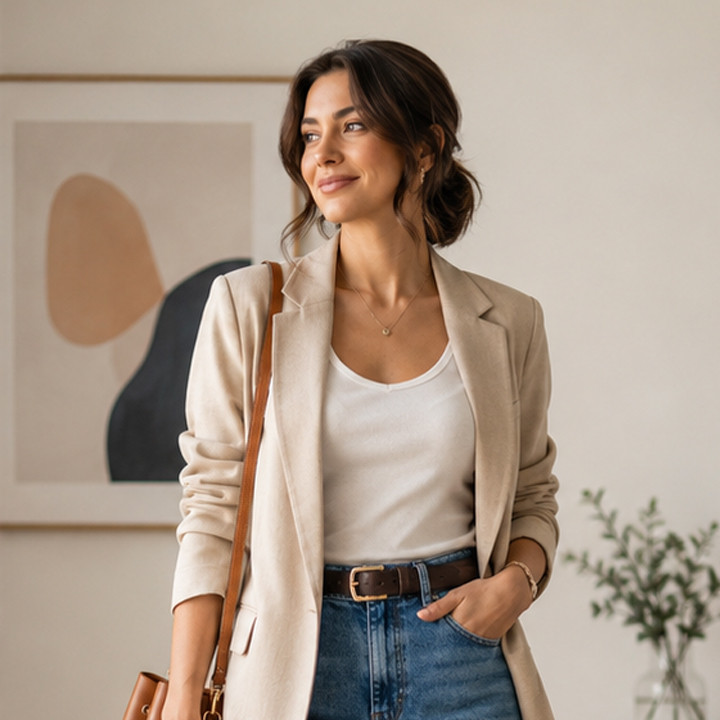
For example, relaxed trousers can pair nicely with a cleaner, more fitted top. A loose shirt can work with straight or tapered bottoms. If both pieces are relaxed, adding some structure through layering or styling can help create a clearer silhouette. The idea is to let different shapes complement each other rather than compete.
Keep Colours Connected
Colour can make an outfit feel either harmonious or overly busy. You do not need to wear only neutral shades, but it helps to create some connection between the colours you choose. Start with two or three shades that work naturally together.
Neutral tones can provide a strong base, while one stronger colour can add character. You can also create balance by repeating a similar shade in different parts of the outfit. Keeping the palette controlled allows the overall look to feel more intentional.
Mix Simple Pieces With Detail
An outfit made entirely from basic clothing can sometimes feel too plain. On the other hand, too many bold details can make everyday dressing feel complicated. A good approach is to mix simple pieces with one or two interesting elements.
This could be a textured fabric, an unusual cut, subtle print, layered shirt, statement sleeve, or structured outer layer. Small details add personality without taking over the whole outfit. When one element stands out, allow the remaining pieces to support it.
Use Layers With Purpose
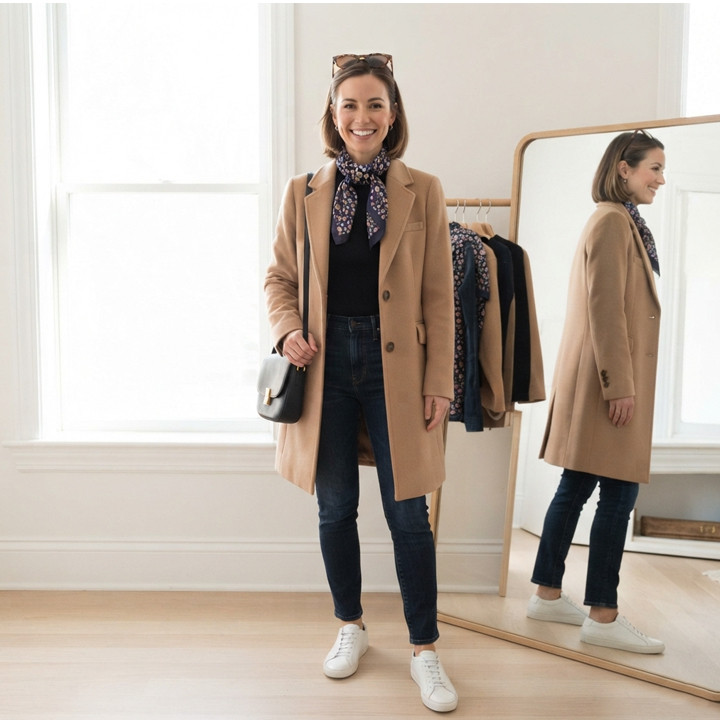
Layering should add something to an outfit rather than simply increase the number of pieces. A lightweight shirt worn over a basic top can create shape. A cardigan can soften a structured outfit, while a jacket can give definition to relaxed clothing.
Think about how each layer changes the overall proportion. Different lengths can create visual interest, but they should still feel connected. Practical layers are especially useful because they allow outfits to adapt throughout the day.
Pay Attention To Fabric Weight
Different fabrics can affect how balanced an outfit feels. Heavy fabrics paired only with other heavy materials may make the look feel bulky. Combining them with lighter fabrics can create a better contrast. Similarly, very lightweight clothing can sometimes benefit from one structured element.
Cotton, denim, linen, knitwear, and soft tailoring can all work together when their weight and texture are considered. This is especially helpful when creating outfits within a similar colour palette.
Avoid Overstyling The Outfit
Balanced dressing does not require adding more. Sometimes removing one element makes an outfit stronger. If you already have an interesting silhouette, bold colour, or textured layer, you may not need additional details.
Before finalising your look, consider whether every part of the outfit has a purpose. Keeping the overall combination clean often makes it easier for the strongest elements to stand out naturally.
Dress For Your Daily Routine
The most successful everyday outfits work for the life you actually live. Think about your schedule, comfort, movement, climate, and the different places you may need to go throughout the day. An outfit can look good while still being practical. Choosing clothing that suits your routine also makes it easier to repeat and restyle pieces in new ways.
Find Your Own Balance
There is no single formula for creating a good everyday look. Balance can come from proportion, colour, texture, or simply the way you combine familiar clothing.
The more you understand what works for your wardrobe, the easier dressing becomes. Start with strong basics, create contrast where needed, keep details considered, and allow comfort to remain part of the outfit. With a few simple choices, everyday dressing can feel more consistent, effortless, and naturally well styled.